
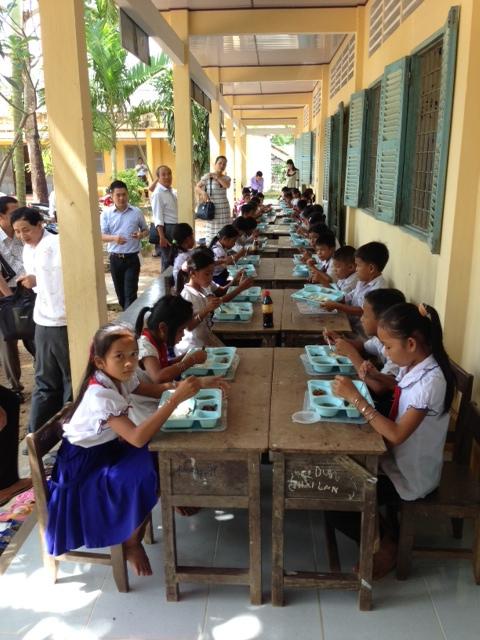
Student wellbeing is an essential part of a successful learning environment. Students learn more effectively when they feel safe, respected, included, and supported by the people around them. However, academic pressure, friendship difficulties, social expectations, school transitions, and personal challenges can affect how students feel and participate in school.
Schools can help by creating opportunities for students to develop healthy relationships, manage everyday stress, express their feelings, build confidence, and participate in meaningful activities. Well-planned student wellbeing activities in schools can support these goals while strengthening classroom relationships and creating a more positive school culture.
Student wellbeing involves more than mental health alone. It can include emotional, social, physical, and academic experiences, as well as students’ sense of belonging, safety, and purpose. For this reason, wellbeing initiatives are most effective when they are part of everyday school life rather than occasional events.
This guide explores practical school-based activities that teachers and school leaders can introduce, explains how to adapt them for different age groups, and outlines ways to evaluate whether they are meeting students’ needs.
What Is Student Wellbeing in Schools?
Student wellbeing refers to the ways students experience and manage their lives at school, including their emotional health, relationships, physical health, sense of belonging, and ability to participate in learning.
A student with positive wellbeing does not need to feel happy every day. Students can experience disappointment, stress, frustration, or uncertainty while still having access to supportive relationships and effective ways to cope.
A school that supports wellbeing helps students feel that they matter, that their voices are heard, and that appropriate support is available when they encounter difficulties.
Emotional wellbeing
Emotional wellbeing includes recognizing feelings, expressing emotions appropriately, managing everyday stress, and developing confidence in coping with challenges.
Activities that build emotional awareness can help students identify what they are feeling and choose constructive ways to respond.
Social wellbeing
Social wellbeing relates to students’ relationships with classmates, teachers, family members, and other people in their communities.
Cooperative projects, peer connection activities, and respectful classroom discussions can help students develop communication, empathy, and teamwork skills.
Physical wellbeing
Physical wellbeing includes movement, rest, healthy routines, and access to an environment that supports students’ physical needs.
Schools can encourage appropriate physical activity, outdoor learning, movement breaks, and practical health education without making students feel embarrassed about their bodies or fitness levels.
Academic wellbeing
Academic wellbeing involves feeling capable of participating in learning, managing schoolwork, seeking help, and responding to challenges without excessive fear of failure.
Clear expectations, supportive feedback, realistic goals, and opportunities to improve can help students develop confidence in their learning.
Sense of belonging and purpose
Students are more likely to feel connected to school when they are treated fairly, included in activities, and given meaningful opportunities to contribute.
Student leadership, community service, classroom responsibilities, and creative projects can help learners recognize that their ideas and efforts matter.
Why Are Student Wellbeing Activities Important?
Well-designed wellbeing activities can help schools put supportive principles into practice. Their purpose is not to remove every challenge from students’ lives but to help students develop skills, relationships, and access to support that make challenges easier to manage.
1. They encourage healthy emotional expression
Students may not always have the words to explain frustration, anxiety, sadness, or disappointment. Activities that encourage emotional vocabulary and reflection can help them communicate their needs more clearly.
Teachers should create opportunities for students to participate without forcing them to share private experiences publicly.
2. They strengthen positive relationships
Supportive relationships with teachers and classmates can help students feel safer and more connected to school.
Partner tasks, team activities, peer appreciation exercises, and inclusive classroom routines can create opportunities for students to learn about one another and cooperate.
3. They develop coping and problem-solving skills
Students encounter challenges involving schoolwork, friendships, changing routines, and competing responsibilities. Wellbeing activities can help them practise breaking problems into manageable steps, considering different solutions, and seeking help when necessary.
4. They encourage healthy movement and daily routines
Movement can provide a useful break from extended periods of sitting and create opportunities for participation and teamwork.
Schools can also help students understand the importance of rest, hydration, balanced routines, and age-appropriate physical activity without presenting wellbeing as a matter of individual willpower alone.
5. They help create an inclusive school culture
A wellbeing programme should support students with different abilities, cultural backgrounds, languages, interests, and support needs.
When activities are accessible and participation is respectful, more students can experience a sense of belonging.
6. They can support engagement in learning
Students who feel supported may find it easier to participate, communicate concerns, and seek assistance when they need it.
Wellbeing is not a guarantee of higher academic results, and activities should not be judged solely by test scores. Schools should consider students’ experiences, relationships, participation, and access to appropriate support.
15 Practical Student Wellbeing Activities in Schools
The following activities can be adapted for primary, middle, and secondary school students. Teachers should select activities according to students’ developmental needs, cultural context, accessibility requirements, and available resources.
1. Daily Emotional Check-In
Best for: Primary and secondary school students
Main goals: Emotional awareness, communication, and early recognition of support needs.
A daily check-in gives students a simple opportunity to indicate how they are feeling at the beginning of a lesson or school day.
How to organize it:
- Display a small set of emotion words or simple visual symbols.
- Invite students to choose a word or symbol that reflects their current mood.
- Allow students to respond privately or pass if they prefer.
- Offer a brief opportunity to identify what might help them feel ready to learn.
- Follow up privately when a student’s response suggests they may need support.
For example, a student who feels overwhelmed might identify a need for clarification about an assignment or a quiet moment before beginning work.
Avoid asking students to explain personal difficulties in front of classmates. Check-ins should not become public rankings of students’ emotions or substitutes for appropriate professional support.
2. Gratitude and Positive Reflection Journal
Best for: Grades 3–12
Main goals: Reflection, noticing positive experiences, and developing a balanced perspective.
Students use a journal to record meaningful or encouraging experiences. These might include learning something new, receiving help from a classmate, completing a difficult task, or enjoying a creative activity.
How to organize it:
- Set aside five minutes once or twice a week.
- Ask students to record one or two positive or meaningful experiences.
- Invite them to explain why the experiences mattered.
- Allow students to keep their reflections private.
- Offer alternative prompts for students who prefer not to write.
The purpose is to help students reflect, not to insist that every experience must be positive. Students should never be told to ignore genuine difficulties or feel guilty for having negative emotions.
3. Classroom Breathing and Reset Break
Best for: Primary and secondary school students
Main goals: Self-awareness, settling after demanding tasks, and preparing to return to learning.
A short reset break can provide students with an opportunity to pause between lessons or after an extended period of concentration.
How to organize it:
- Explain that students may sit comfortably or remain standing.
- Invite them to notice their breathing without forcing it.
- Offer the option of taking a few slow, comfortable breaths.
- Allow students to stretch gently or rest their attention for a short period.
- Return to the lesson with a clear next step.
Keep the activity brief and optional. Some students may find breath-focused exercises uncomfortable, so provide alternatives such as looking at a fixed point, stretching, or quietly organizing their materials.
Teachers should not present a breathing exercise as a treatment for a mental health condition.
4. Cooperative Team-Building Challenges
Best for: Grades 1–12
Main goals: Communication, trust, problem-solving, and teamwork.
Team-building challenges give students opportunities to work toward a shared objective rather than competing only for individual recognition.
Examples include:
- Building a paper tower with limited materials
- Solving a group puzzle
- Designing a classroom improvement idea
- Completing a collaborative art project
- Planning a fictional event within a budget
How to organize it:
- Explain the objective and the rules.
- Divide students into appropriately sized groups.
- Give each student an opportunity to contribute.
- Encourage groups to listen to different ideas.
- Ask students to reflect on how they communicated and made decisions.
Rotate responsibilities so the same students do not always lead while others remain on the sidelines.
5. Peer Appreciation Activity
Best for: Grades 2–12
Main goals: Respect, belonging, and recognition of positive contributions.
Peer appreciation activities encourage students to notice helpful, thoughtful, or cooperative behaviours.
How to organize it:
- Ask students to identify a specific positive contribution made by a classmate.
- Encourage them to describe the behaviour rather than make comments about appearance or popularity.
- Offer written notes, verbal appreciation, or anonymous submissions.
- Allow students to opt out of public sharing.
- Monitor submissions to prevent teasing, exclusion, or inappropriate comments.
A useful example is: “Thank you for explaining the instructions when our group was confused.”
Specific appreciation is more meaningful than simply voting for the most popular student.
6. Outdoor Learning and Nature Observation
Best for: Primary and secondary school students
Main goals: Curiosity, movement, observation, and engagement with the environment.
Outdoor activities can combine learning with movement and opportunities to observe the natural world.
Possible activities include:
- Observing changes in plants or trees
- Keeping a school garden journal
- Identifying shapes or patterns in nature
- Sketching a natural object
- Conducting a supervised environmental observation
- Planning a small school-greening project
Teachers should consider weather, accessibility, allergies, safety, and school policies before organizing outdoor sessions.
The objective is to provide meaningful opportunities for exploration, not to assume that every student enjoys or can easily participate in every outdoor activity.
7. Mindful Movement Breaks
Best for: Grades 1–12
Main goals: Physical activity, attention breaks, and participation.
Movement breaks can help interrupt long periods of sitting and give students an opportunity to move before returning to academic tasks.
Examples include gentle stretching, short walking activities, simple coordination exercises, standing movement sequences, or age-appropriate classroom games.
How to organize it:
- Choose movements that can be performed safely in the available space.
- Explain the activity clearly.
- Provide seated or low-impact alternatives.
- Avoid making participation dependent on athletic ability.
- Give students a clear transition back to learning.
Activities should be inclusive of students with disabilities, chronic health conditions, or mobility needs. Avoid using physical activity as punishment.
8. Strengths and Interests Map
Best for: Grades 4–12
Main goals: Self-awareness, confidence, and recognizing individual contributions.
Students identify interests, strengths, skills they want to develop, and activities that help them feel engaged.
They can create a simple map with sections such as:
- Things I enjoy
- Skills I am developing
- Ways I help others
- Something I would like to learn
- A challenge I have worked through
Students can keep their maps private or share selected parts with a partner.
Teachers should avoid treating strengths as fixed labels. A student who is not yet confident in public speaking, for example, can still develop that skill with appropriate practice and support.
9. Student Voice and Classroom Suggestion Box
Best for: Grades 3–12
Main goals: Participation, agency, communication, and improving the school environment.
A suggestion box gives students a way to share ideas about classroom routines, learning spaces, school activities, and areas where they would appreciate support.
How to organize it:
- Explain what kinds of suggestions students can submit.
- Provide a physical box or an approved digital option.
- Review submissions regularly.
- Group similar ideas together.
- Explain which suggestions can be acted upon and which cannot.
- Share progress so students know their input is being considered.
Do not promise that every suggestion will be implemented. If students raise safety concerns or disclose harm, follow the school’s established procedures rather than treating the message as an ordinary suggestion.
10. Goal-Setting and Progress Reflection
Best for: Grades 4–12
Main goals: Planning, confidence, self-management, and recognizing progress.
Students choose a realistic academic, social, creative, or personal learning goal and identify manageable steps toward it.
For example, a student who wants to participate more confidently in class might set a goal of preparing one question before a lesson or contributing one idea during a small-group discussion.
How to organize it:
- Ask students to select a goal that matters to them.
- Help them divide the goal into smaller actions.
- Identify possible obstacles.
- Decide what support or resources may help.
- Review progress after an agreed period.
- Adjust the goal if circumstances change.
Goals should encourage development without turning wellbeing into another performance target. Students should not be penalized for struggling to achieve a personal goal.
11. Creative Expression Workshops
Best for: Primary and secondary school students
Main goals: Creativity, participation, reflection, and self-expression.
Art, music, drama, storytelling, and creative writing can give students different ways to communicate ideas and explore experiences.
Possible activities include:
- Creating a class mural about belonging
- Writing a fictional story about overcoming a challenge
- Making a collage of personal interests
- Composing a short rhythm as a group
- Designing posters about kindness and inclusion
- Using fictional characters to explore different emotions
Students should have choices about how they participate. Do not require them to reveal personal experiences or interpret an artwork as evidence of a specific mental health condition.
12. Kindness and Community Contribution Project
Best for: Grades 2–12
Main goals: Empathy, responsibility, cooperation, and belonging.
Students work together on a practical project that benefits their classroom or school community.
Examples include organizing a book exchange, preparing welcome materials for new students, improving a shared learning space, creating appreciation cards, or planning an approved environmental project.
How to organize it:
- Identify a manageable community need.
- Ask students to suggest possible responses.
- Select an achievable project.
- Divide responsibilities fairly.
- Complete the project.
- Reflect on the contribution and what students learned.
Community projects should be voluntary where appropriate, age-appropriate, and designed to avoid stigmatizing people who receive support.
13. Conflict Resolution and Communication Role-Play
Best for: Grades 3–12
Main goals: Empathy, respectful communication, negotiation, and problem-solving.
Students practise responding to fictional disagreements in a structured environment.
Possible scenarios include two classmates wanting the same resource, group members disagreeing about an assignment, or a student feeling left out of a shared activity.
How to organize it:
- Present a fictional situation.
- Ask students to identify the problem and the needs of the people involved.
- Practise listening without interrupting.
- Use respectful statements to express concerns.
- Generate possible solutions.
- Discuss which responses helped the situation improve.
Do not use role-play to investigate real bullying, harassment, abuse, or intimidation. These situations require appropriate adult intervention and safeguarding procedures.
14. Healthy Habits and Wellbeing Awareness Week
Best for: Whole-school participation
Main goals: Health awareness, practical skills, and coordinated school engagement.
A wellbeing awareness week can introduce students to several areas of wellbeing through short activities integrated into regular lessons.
Possible themes include:
- Sleep and daily routines
- Movement and physical activity
- Friendship and inclusion
- Managing everyday stress
- Digital balance and online safety
- Asking trusted adults for help
- Healthy study routines
Each day can include a short activity, discussion, classroom challenge, or student-created resource.
Avoid presenting wellbeing as a competition or requiring students to disclose personal habits. The purpose is to provide useful information and encourage supportive routines, not to judge students’ home circumstances.
15. Trusted Adult and Support Network Map
Best for: Grades 1–12
Main goals: Help-seeking, awareness of support, and knowing where to turn when difficulties arise.
Students identify appropriate adults and school services they can approach when they need help.
Depending on the school, these may include a trusted teacher, school counsellor, designated safeguarding staff member, school nurse, family member, or another approved support person.
How to organize it:
- Explain the different types of support available.
- Show students how to identify an appropriate trusted adult.
- Provide a simple worksheet or support map.
- Allow students to complete it privately.
- Explain how students can seek help if their first contact is unavailable.
- Review the school’s procedures for urgent safety concerns in age-appropriate language.
Do not require students to share their support maps publicly. Make sure the adults listed are genuinely available and that students understand how to reach them.
How to Adapt Wellbeing Activities for Different Age Groups
Students’ developmental needs vary, so wellbeing activities should be adapted rather than delivered identically across all grades.
| Age group | Suitable activities | Main focus |
|---|---|---|
| Early primary | Emotion cards, stories, movement breaks, simple cooperation games | Recognizing feelings, participation, and asking for help |
| Upper primary | Journals, group challenges, peer appreciation, goal-setting | Communication, self-awareness, and teamwork |
| Middle school | Perspective-taking, creative projects, student voice, communication role-play | Belonging, independence, and managing social challenges |
| Secondary school | Student-led projects, reflection activities, community contribution, wellbeing planning | Agency, responsibility, healthy routines, and access to support |
These categories are flexible. Teachers should consider students’ individual needs, language abilities, disabilities, cultural backgrounds, and previous experiences when selecting activities.
How Schools Can Build a Whole-School Wellbeing Programme
Individual activities can be useful, but lasting improvements are more likely when wellbeing is supported through school policies, relationships, routines, and access to appropriate services.
1. Make wellbeing part of everyday school life
Wellbeing should not depend only on a special assembly or an annual awareness week. Schools can integrate communication, emotional awareness, inclusion, and healthy routines into everyday teaching and school activities.
2. Build positive relationships between students and staff
Students need to know that adults will listen respectfully and respond appropriately when concerns arise.
Teachers can strengthen relationships through predictable classroom expectations, fair treatment, respectful communication, and regular opportunities for students to ask questions or request help.
3. Create inclusive and physically safe environments
School leaders should consider whether students feel safe in classrooms, playgrounds, corridors, online learning spaces, and other school settings.
Policies should address bullying, harassment, discrimination, accessibility, and the reporting of safety concerns. Wellbeing activities cannot compensate for an environment in which students experience repeated harm.
4. Involve students in planning
Student feedback can help schools choose activities that are relevant and accessible. Surveys, student councils, suggestion boxes, and structured discussions can provide useful information about students’ experiences.
Participation should not require students to disclose sensitive personal information.
5. Work with families and communities
Families may notice changes in students’ behaviour, routines, or concerns that are not visible during the school day. Schools can create respectful ways to communicate with families and share information about available support.
Communication should protect student privacy and follow the school’s policies and applicable requirements.
6. Provide appropriate staff training and support
Teachers can support everyday wellbeing through positive relationships, inclusive classroom practices, and early recognition of concerns. They should also understand the limits of their role.
Teachers are not expected to diagnose mental health conditions or replace qualified professionals. Schools should establish clear referral procedures and ensure that designated staff know how to respond to concerns.
7. Make activities accessible to all students
A successful wellbeing programme considers physical access, language, sensory needs, disabilities, cultural context, and different comfort levels.
Offer alternatives to public speaking, movement tasks, group sharing, or written reflection where appropriate. Students should be able to participate meaningfully without unnecessary embarrassment or pressure.
How to Evaluate Student Wellbeing Activities
Schools should evaluate whether activities are useful, inclusive, and appropriate for students rather than assuming that participation automatically produces positive outcomes.
Gather student feedback
Use age-appropriate surveys, anonymous feedback forms, or structured discussions to ask whether students find activities helpful and accessible.
Possible questions include:
- Did you feel included in the activity?
- Did you learn a useful strategy?
- Did you know where to ask for help?
- What would make the activity more useful?
- Is there another activity you would like to try?
Participation should be voluntary where appropriate, and feedback should be handled respectfully.
Observe participation and classroom relationships
Teachers can record whether students are able to participate, cooperate, express concerns, and access available support.
Observations should focus on specific behaviours and patterns rather than labelling individual students.
Review access to support
Schools can examine whether students understand how to contact trusted adults and whether established referral processes are clear and functioning.
A wellbeing programme should make it easier for students to find appropriate help when they need it.
Monitor implementation over time
A single activity may offer useful practice, but it cannot establish whether a school has improved overall wellbeing. Schools should review activities regularly, consider feedback, and make changes when necessary.
Academic performance alone should not be used as the only measure of student wellbeing.
Common Mistakes to Avoid
Treating wellbeing as a one-day event
A special event can raise awareness, but it is not a substitute for consistent relationships, safe environments, inclusive teaching, and access to support.
Forcing students to share personal feelings
Students should not be required to disclose private experiences in front of classmates. Offer private alternatives and allow students to pass when appropriate.
Making wellbeing another competition
Leaderboards, public rankings, and rewards for being the happiest or most positive student can create pressure and exclude students who are struggling.
Focus on participation, learning, accessibility, and opportunities for support rather than judging students’ emotional states.
Ignoring the underlying school environment
If students experience bullying, unreasonable pressure, exclusion, or unsafe conditions, relaxation activities alone will not address the problem.
Schools should investigate environmental concerns and take appropriate action.
Assuming one activity suits everyone
Students differ in interests, communication styles, physical abilities, cultural experiences, and support needs. Provide choices and adapt activities to make participation meaningful.
Expecting teachers to handle every concern alone
Teachers can notice concerns and offer appropriate everyday support, but serious or persistent difficulties may require school counsellors, safeguarding staff, health professionals, or other qualified services.
Frequently Asked Questions
1. What are the best student wellbeing activities in schools?
Useful activities include emotional check-ins, reflection journals, cooperative challenges, movement breaks, creative workshops, peer appreciation, student-led projects, and trusted-adult mapping. The best choices depend on students’ needs, developmental stages, school resources, and learning objectives.
2. How often should schools organize wellbeing activities?
Schools can include short activities in regular classroom routines and schedule larger projects periodically. Consistency is generally more useful than relying only on occasional events, but the programme should fit the school’s needs and available resources.
3. How can teachers support student emotional wellbeing?
Teachers can build respectful relationships, establish predictable routines, create opportunities for emotional learning, listen to student concerns, and provide clear routes to appropriate support. They should avoid diagnosing conditions and follow school procedures when concerns require specialist attention.
4. Can wellbeing activities improve academic engagement?
Supportive relationships, a sense of belonging, and appropriate help-seeking opportunities can contribute to a learning environment in which students are better able to participate. However, outcomes vary, and no single activity guarantees improved grades or attendance.
5. How can schools make wellbeing activities inclusive?
Offer multiple ways to participate, provide accessible materials, consider language and cultural context, respect privacy, and adapt activities for students with disabilities or different support needs. Ask students for feedback without requiring them to reveal personal information.
6. What is the difference between student wellbeing and mental health?
Mental health is an important part of wellbeing, but wellbeing is broader. It can include relationships, physical health, belonging, safety, learning experiences, and a sense of purpose. Students may experience mental health difficulties while still receiving meaningful support and participating in school life.
7. How can schools know whether a wellbeing programme is working?
Schools can review student feedback, participation, perceived safety and belonging, access to support, and observations of classroom relationships. They should also consider whether activities are delivered consistently and whether students can access additional help when necessary.
8. What should teachers do if a student appears seriously distressed?
Teachers should follow school safeguarding and student-support procedures, speak with the student in an appropriate and private setting when safe to do so, and refer the concern to designated staff. If there is an immediate safety risk, the school should follow its emergency procedures. Teachers should not promise absolute confidentiality when a student’s safety may be at risk.
Conclusion
Supporting student wellbeing requires consistent attention to relationships, inclusion, healthy routines, emotional learning, and access to appropriate help. Practical student wellbeing activities in schools can give students opportunities to communicate, collaborate, reflect, build confidence, and develop skills for managing everyday challenges.
Activities such as emotional check-ins, cooperative projects, movement breaks, creative workshops, and student-led initiatives can be adapted for different ages and learning needs. Their value increases when they are part of a wider school approach that prioritizes safety, belonging, student voice, staff support, and appropriate referral pathways.
The goal is not to make every student feel positive at all times. It is to create a school environment where students are respected, can participate meaningfully, know where to find help, and have opportunities to develop the skills and relationships that support their wellbeing.
With thoughtful planning, regular evaluation, and collaboration among students, teachers, families, and school leaders, schools can make wellbeing a practical and lasting part of everyday education.
