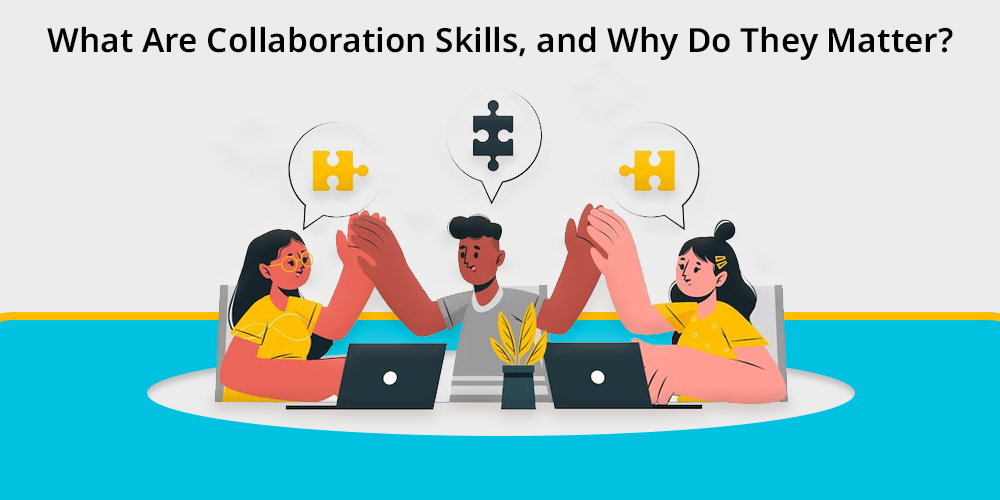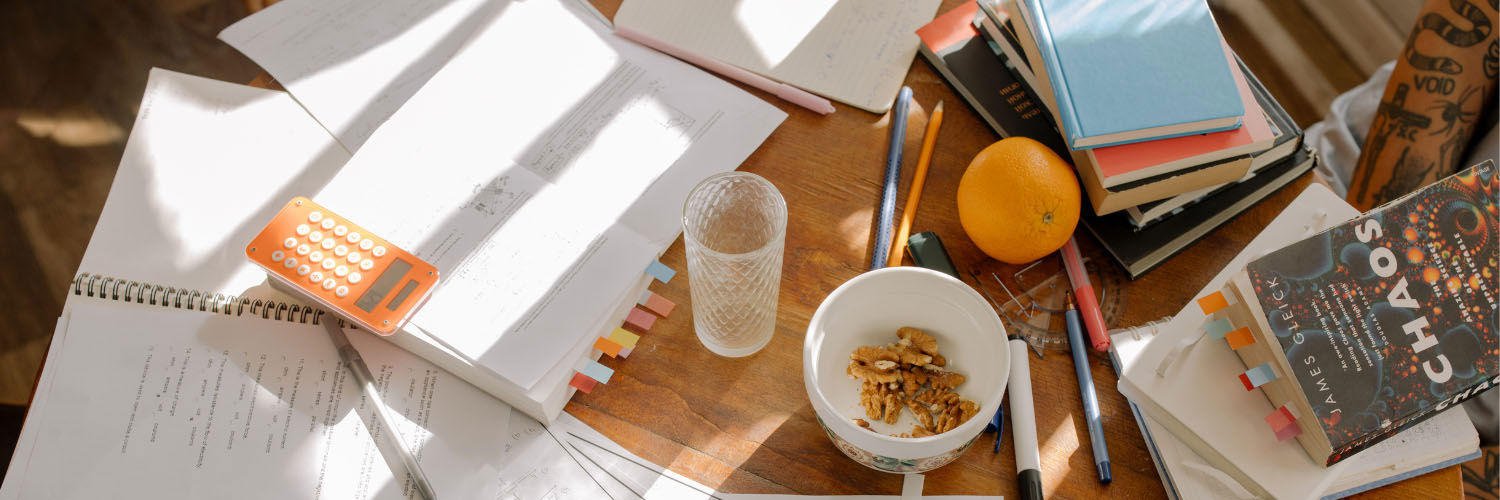
Using Student Feedback to Improve Teaching and Learning

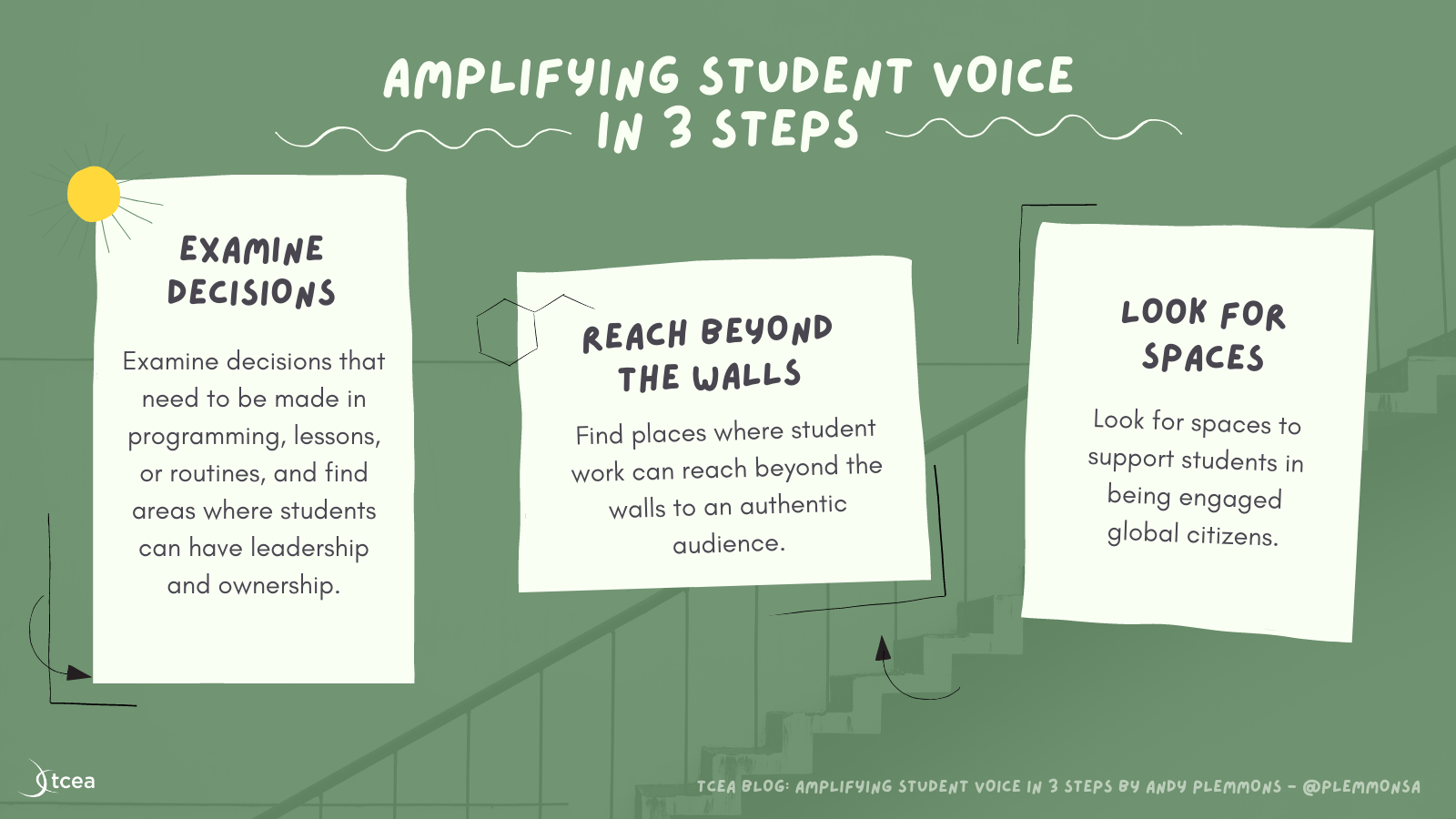
Effective teaching involves more than delivering lessons and completing the curriculum. Teachers also need to understand how students experience their lessons, which concepts they find difficult, and which learning activities help them make progress. Student feedback provides valuable insight into these questions and can help educators make informed decisions about their teaching practices. When collected thoughtfully, feedback can reveal whether… Continue reading Using Student Feedback to Improve Teaching and Learning
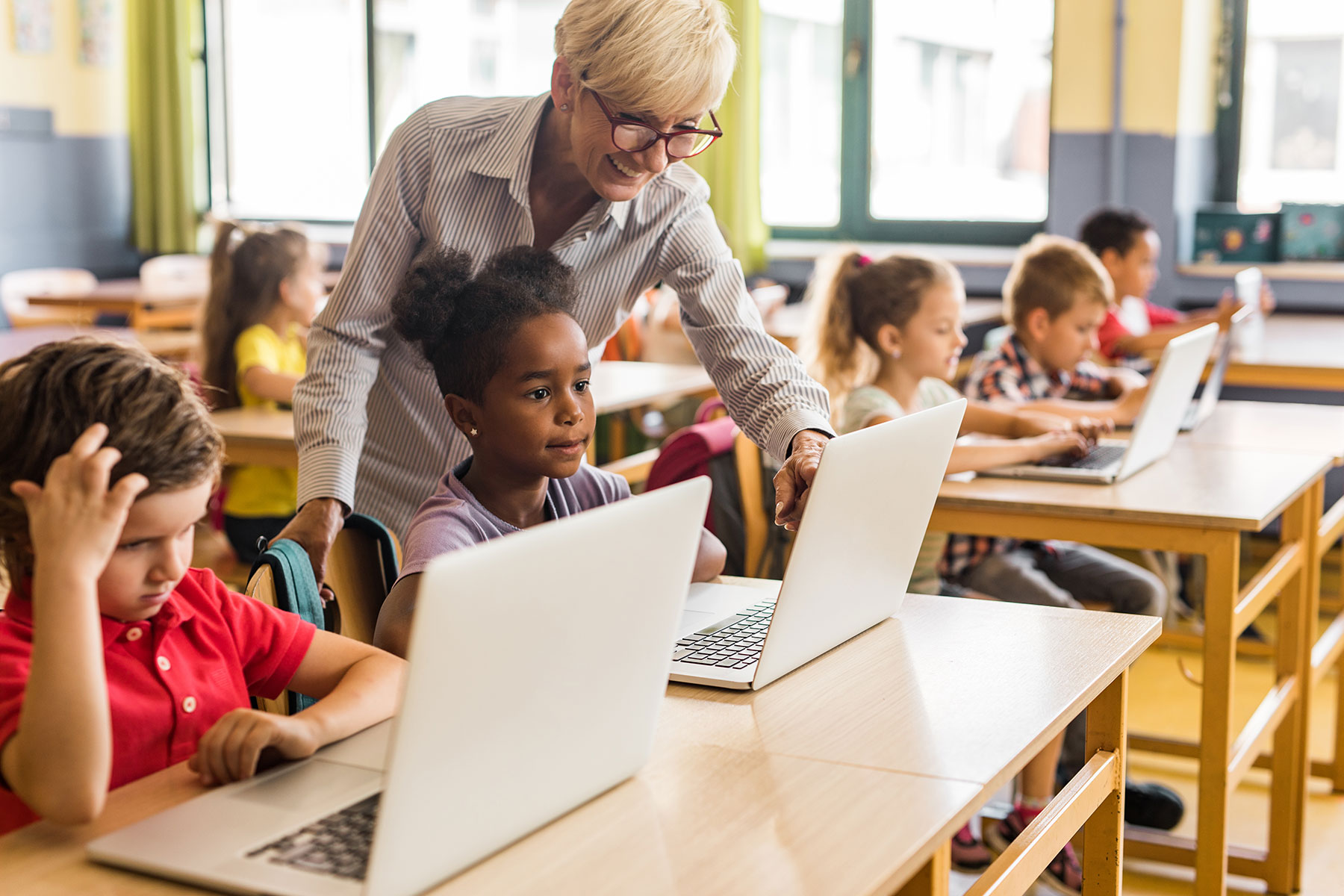
Teaching Research Methods Through Student-Led Investigations

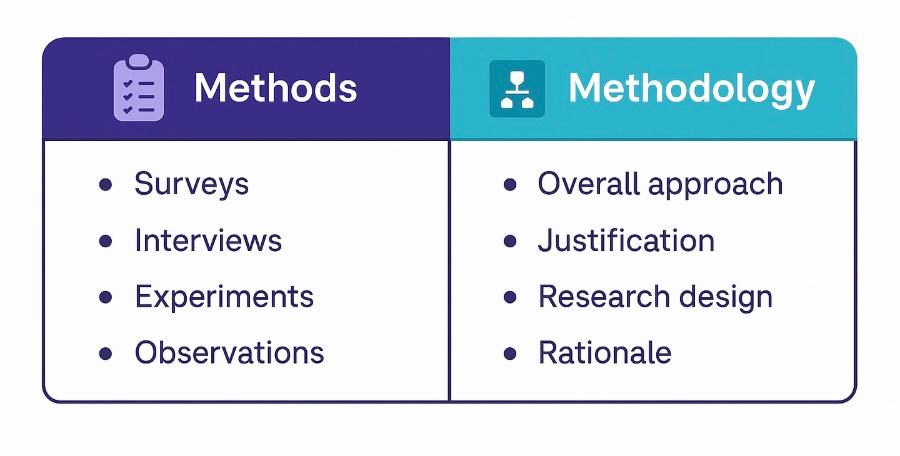
Research helps students move beyond memorizing information and begin asking questions, examining evidence, and developing their own explanations. When students investigate a topic themselves, they learn how to identify a problem, gather reliable information, select appropriate methods, interpret findings, and communicate conclusions. Teachers can make these skills accessible through student-led investigations. Rather than providing every question and procedure, educators give… Continue reading Teaching Research Methods Through Student-Led Investigations

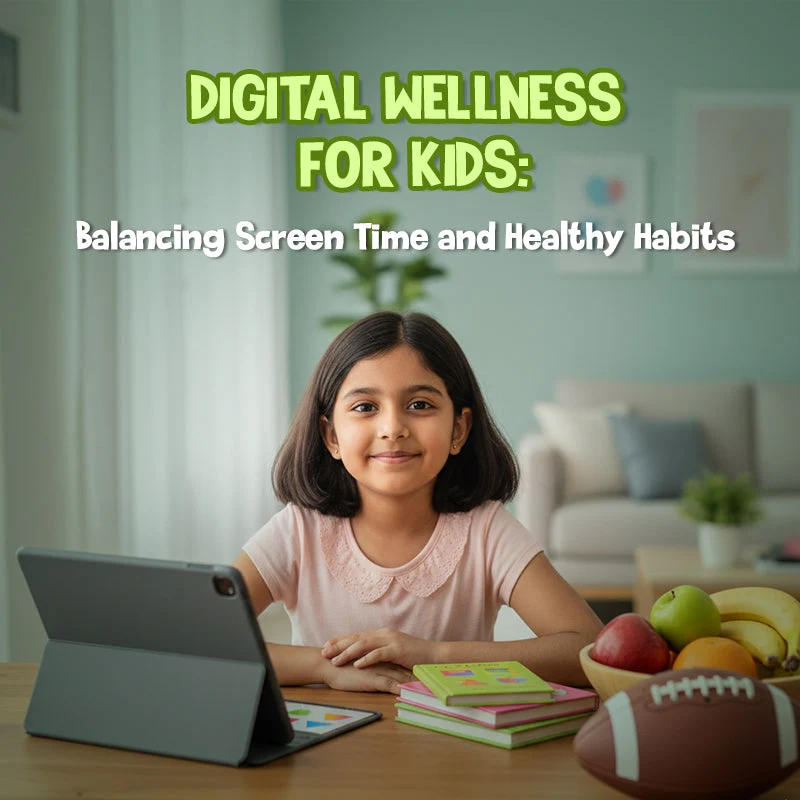
How Schools Can Encourage Healthy Digital Habits

Digital technology has become an important part of modern education. Students use laptops, tablets, smartphones, and online learning platforms to complete assignments, research information, communicate with classmates, and develop new skills. When used thoughtfully, these tools can make learning more accessible, interactive, and engaging. However, digital technology can also create challenges. Frequent notifications, late-night scrolling, online distractions, privacy risks, and… Continue reading How Schools Can Encourage Healthy Digital Habits

Supporting Student Wellbeing Through School-Based Activities

Student wellbeing is an essential part of a successful learning environment. Students learn more effectively when they feel safe, respected, included, and supported by the people around them. However, academic pressure, friendship difficulties, social expectations, school transitions, and personal challenges can affect how students feel and participate in school. Schools can help by creating opportunities for students to develop healthy… Continue reading Supporting Student Wellbeing Through School-Based Activities

How to Design Effective Educational Surveys for Students

Educational surveys help schools, colleges, and universities understand students’ experiences, learning needs, opinions, and expectations. When designed carefully, surveys can reveal which teaching methods students find helpful, what challenges affect their learning, and where educational institutions may need to improve. However, collecting student responses is only useful when the questions are clear, relevant, fair, and appropriate for the people answering… Continue reading How to Design Effective Educational Surveys for Students

How to Help Students Set Meaningful Academic Goals

Academic success is not just about earning high grades or completing assignments on time. It also involves learning how to plan, stay motivated, recognize areas for improvement, and take responsibility for personal progress. Students who understand how to set meaningful goals can approach their education with greater purpose and develop skills that support lifelong learning. However, telling students to “work… Continue reading How to Help Students Set Meaningful Academic Goals

Teaching Public Speaking Skills Through Classroom Practice

Public speaking is an important skill that helps students express ideas clearly, communicate with confidence, and participate more effectively in academic and professional settings. Whether students are explaining a science project, presenting a book review, participating in a debate, or sharing an opinion with classmates, speaking in front of others is a valuable part of learning. However, public speaking can… Continue reading Teaching Public Speaking Skills Through Classroom Practice

Building Collaboration Skills Through Structured Group Projects

Collaboration is an essential skill that helps students share ideas, solve problems, manage responsibilities, and work toward common goals. In school, students frequently participate in group assignments, classroom discussions, science experiments, presentations, and project-based learning activities. However, simply placing students in groups does not guarantee effective teamwork. Students need clear expectations, opportunities to practise communication, and guidance on how to… Continue reading Building Collaboration Skills Through Structured Group Projects

How to Introduce Entrepreneurship Education in Schools

Entrepreneurship education helps students develop the creativity, problem-solving abilities, financial awareness, communication skills, and confidence needed to turn ideas into practical solutions. Rather than focusing only on starting a business, it teaches students how to identify opportunities, understand people’s needs, manage resources, and create value for their communities. Schools can introduce entrepreneurship education through classroom discussions, project-based learning, team challenges,… Continue reading How to Introduce Entrepreneurship Education in Schools

Career Exploration Activities That Help Students Plan Their Future

Choosing a career is an important decision, but students do not need to have their entire future figured out while they are still in school. They need opportunities to discover their interests, recognize their strengths, learn about different occupations, and understand the education and skills required for various career paths. Schools can support this process by introducing career exploration activities… Continue reading Career Exploration Activities That Help Students Plan Their Future