How to Introduce Entrepreneurship Education in Schools

Entrepreneurship education helps students develop the creativity, problem-solving abilities, financial awareness, communication skills, and confidence needed to turn ideas into practical solutions. Rather than focusing only on starting a business, it teaches students how to identify opportunities, understand people’s needs, manage resources, and create value for their communities. Schools can introduce entrepreneurship education through classroom discussions, project-based learning, team challenges,… Continue reading How to Introduce Entrepreneurship Education in Schools

Career Exploration Activities That Help Students Plan Their Future

Choosing a career is an important decision, but students do not need to have their entire future figured out while they are still in school. They need opportunities to discover their interests, recognize their strengths, learn about different occupations, and understand the education and skills required for various career paths. Schools can support this process by introducing career exploration activities… Continue reading Career Exploration Activities That Help Students Plan Their Future

How to Teach Financial Literacy in Middle School

Financial decisions begin long before students receive their first full-time paycheck. Middle school students already encounter money through allowances, gifts, school activities, online purchases, family spending decisions, and digital platforms. This makes middle school an important time to introduce practical financial concepts in an age-appropriate and engaging way. Teaching financial literacy lessons for middle school students should go beyond defining terms… Continue reading How to Teach Financial Literacy in Middle School

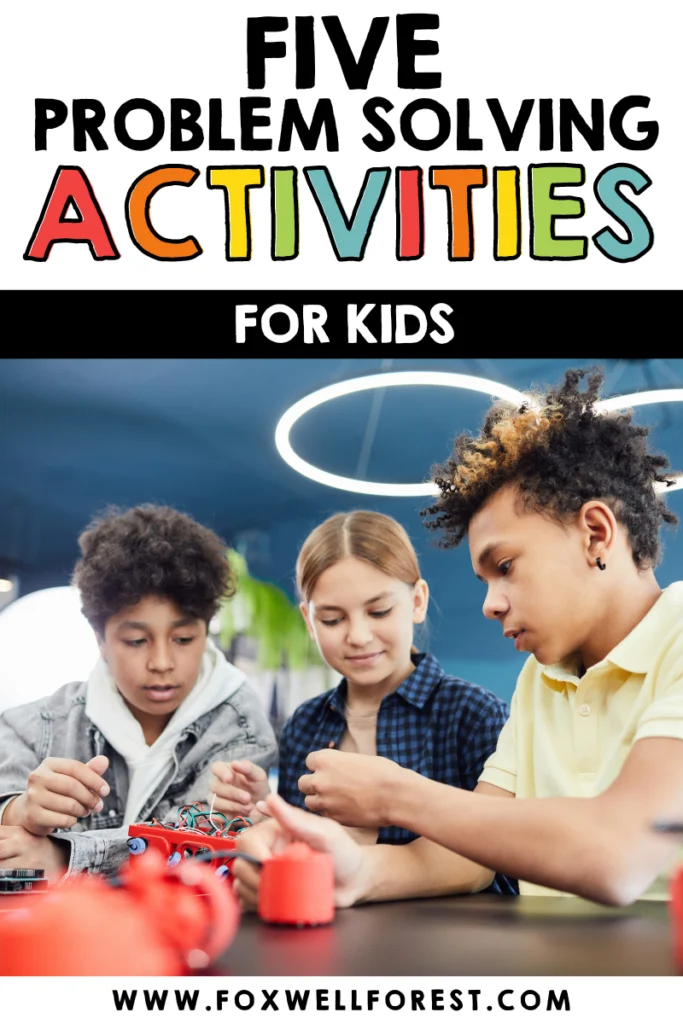
Problem-Solving Activities That Build Independent Thinking

Independent thinking is an essential skill that helps students make decisions, evaluate information, overcome challenges, and learn without relying on others for every answer. In the classroom, students develop this ability when they are encouraged to ask questions, explore possibilities, test ideas, and explain their reasoning. Instead of immediately providing solutions, teachers can create learning experiences that allow students to… Continue reading Problem-Solving Activities That Build Independent Thinking

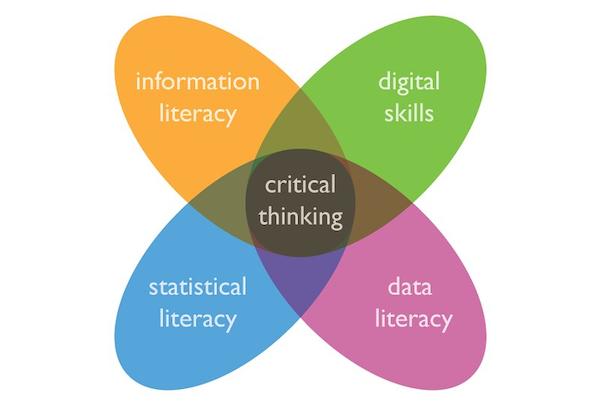
How Students Can Develop Strong Critical Thinking Skills

Critical thinking is an essential skill that helps students analyze information, evaluate evidence, solve problems, and make informed decisions. In a world filled with online information, competing opinions, and complex challenges, students need more than the ability to memorize facts. They must learn how to ask meaningful questions, recognize assumptions, compare explanations, and reach conclusions supported by evidence. Schools can… Continue reading How Students Can Develop Strong Critical Thinking Skills

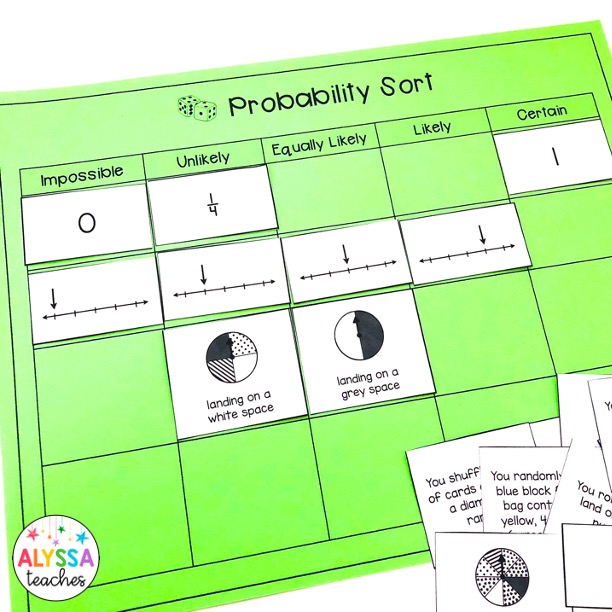
Teaching Probability Through Games and Practical Activities

Probability is an important part of mathematics that helps students understand uncertainty, predict possible outcomes, and make decisions using evidence. From predicting the result of a coin toss to estimating the chance of rain, probability appears in many everyday situations. However, students can sometimes find probability difficult when it is introduced only through formulas and textbook questions. Teachers can make… Continue reading Teaching Probability Through Games and Practical Activities

How to Teach Data Literacy Through Everyday Examples

Data is part of everyday life. Students encounter numbers when data literacy activities for students checking the weather forecast, comparing product prices, tracking their screen time, reading sports statistics, or looking at charts on social media. However, seeing numbers is not the same as understanding what they mean. Students need to learn how to collect, organize, interpret, question, and communicate information… Continue reading How to Teach Data Literacy Through Everyday Examples

Introducing Engineering Design Challenges in the Classroom

Engineering design challenges give students opportunities to solve practical problems by combining creativity, scientific knowledge, mathematical reasoning, and hands-on experimentation. Instead of simply learning how machines and structures work, students design their own solutions, build prototypes, test their ideas, and make improvements based on evidence. Introducing engineering design challenges for students can transform an ordinary classroom lesson into an active… Continue reading Introducing Engineering Design Challenges in the Classroom

How Robotics Projects Develop Problem-Solving Skills

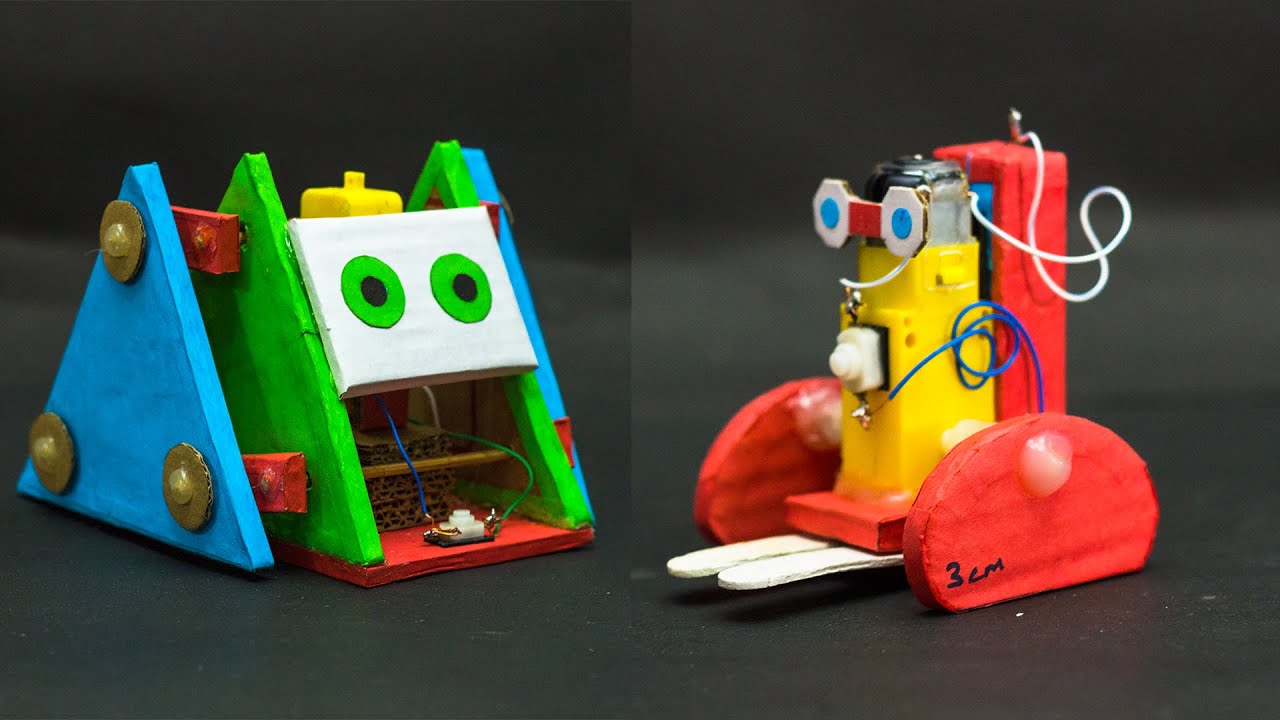
Educational robotics gives students an opportunity to turn ideas into working solutions. By designing, building, and programming robots, learners explore how technology works while developing essential skills such as logical reasoning, creativity, teamwork, and problem-solving. Instead of only reading about engineering or computer science, students can test their ideas in practical situations and observe the results. Well-designed educational robotics projects… Continue reading How Robotics Projects Develop Problem-Solving Skills

Teaching Climate Science Through Evidence-Based Activities

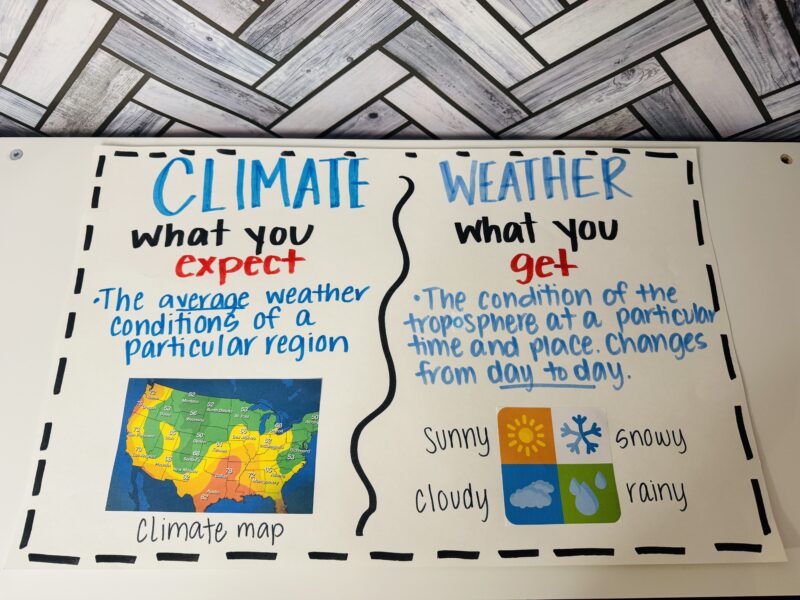
Climate science helps students understand how Earth’s atmosphere, oceans, land, and living systems interact. It also teaches them how to investigate complex questions, interpret scientific data, evaluate evidence, and make informed decisions about environmental challenges. Instead of learning climate concepts only from textbooks, students can develop a deeper understanding through experiments, data analysis, classroom models, and real-world investigations. Effective climate… Continue reading Teaching Climate Science Through Evidence-Based Activities